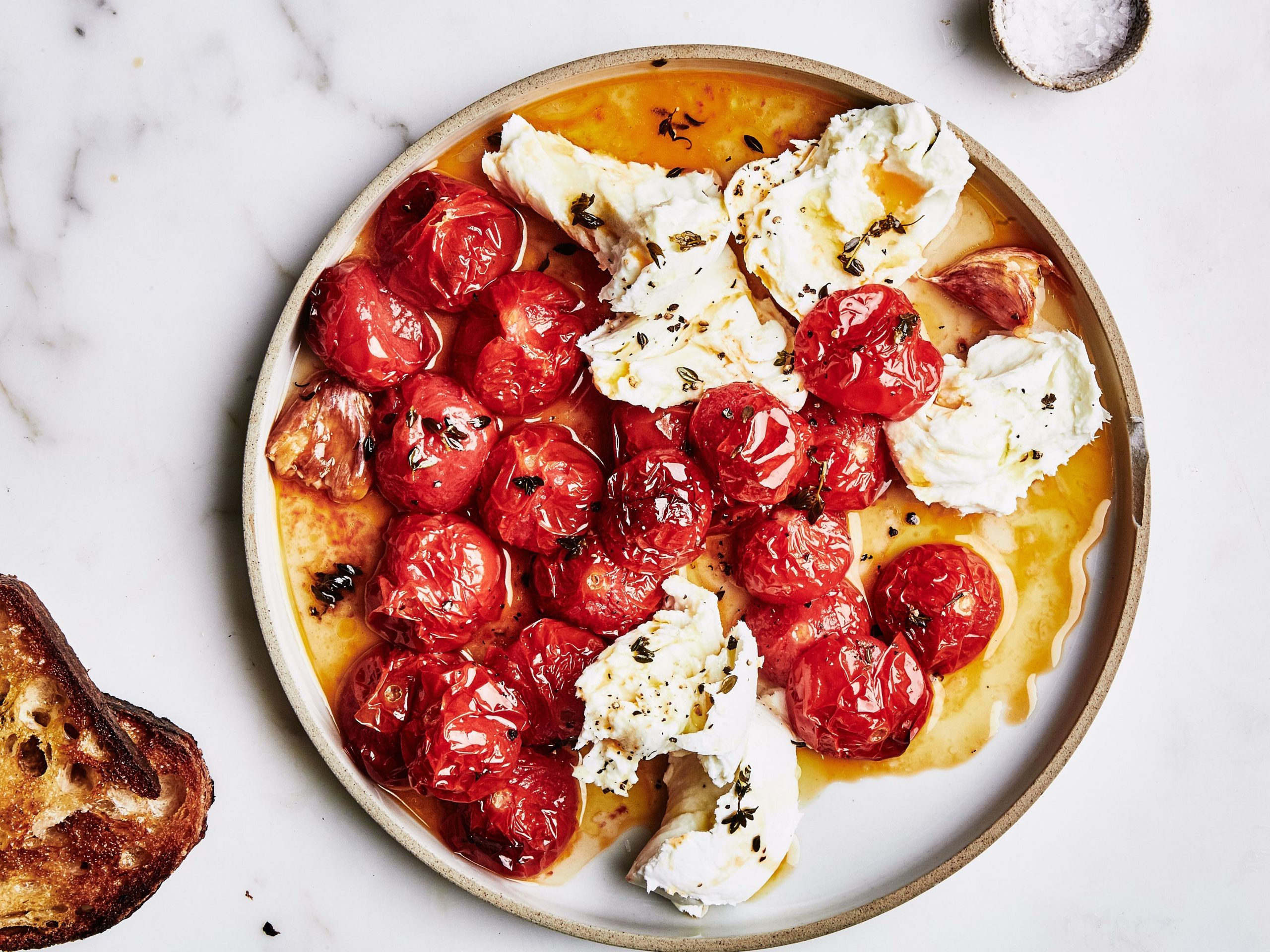
Turkish cuisine, renowned for its rich flavors and vibrant ingredients, places a strong emphasis on the use of olive oil, a staple in Mediterranean diets recognized for its numerous health benefits. As we delve into the world of olive oil dishes, you’ll discover not only the traditional recipes that highlight this liquid gold but also the techniques that enhance each dish’s essence. Furthermore, we will explore how to pair Turkish olive oil with various foods and wines, elevating your culinary experience. Join us on this appetizing journey to celebrate the culinary heritage of Turkish olive oil and unlock the secrets behind its delicious offerings.
Exploring the Health Benefits of Turkish Olive Oil
Nutritional Profile of Olive Oil
Turkish olive oil is not just a culinary delight but also a powerhouse of nutrition. Rich in monounsaturated fats, it typically contains around 70-80% oleic acid, a fatty acid known for its heart-healthy properties. It’s also a source of essential vitamins such as Vitamin E and K, which are crucial for maintaining healthy skin and promoting proper blood clotting. In addition to its fat content, olive oil dishes often incorporate fresh herbs and vegetables, enhancing the overall nutritional value of meals prepared with this golden liquid.
Antioxidants and Anti-Inflammatory Properties
One of the standout features of Turkish olive oil is its high concentration of antioxidants, particularly polyphenols. These compounds are linked to various health benefits, including combatting oxidative stress and reducing inflammation in the body. Research has shown that regular consumption of olive oil can lower markers of inflammation, which may aid in the prevention of chronic diseases, such as arthritis and heart disease. The unique properties of Turkish olive oil contribute greatly to dishes, allowing them not only to boast flavor but also potent health benefits.
Heart Health and Cholesterol Management
The heart health benefits of Turkish olive oil are notable and well-documented. Its ability to balance cholesterol levels is attributed to its high levels of healthy fats. Incorporating olive oil into your diet can help increase HDL (good) cholesterol while simultaneously lowering LDL (bad) cholesterol levels. Furthermore, the anti-inflammatory properties of olive oil can help improve arterial function and lower the risk of heart disease. When included in olive oil dishes, it becomes clear why this ingredient has been a staple in Turkish cuisine for centuries, promoting not just delicious flavors but a healthier lifestyle as well.
Traditional Turkish Olive Oil Dishes
Key Ingredients in Turkish Cuisine
Turkish cuisine is renowned for its vibrant flavors and diverse ingredients, many of which play a vital role in enhancing the quality of bold, aromatic dishes. Fundamental components often include fresh vegetables, such as tomatoes, eggplants, and bell peppers, alongside fragrant herbs like parsley, mint, and dill. Additionally, legumes—including lentils and chickpeas—offer a hearty base. One cannot overlook the significance of quality olive oil, which is pressed from ripe olives, adding a distinct flavor and a myriad of health benefits to meals.
Popular Olive Oil-Based Dishes
Among the most beloved offerings, zeytinyağlılar refers to a category of delectable dishes prepared with olive oil. These include stuffed grape leaves (yaprak sarma), where vine leaves envelop a savory mixture of rice, herbs, and spices. Another favorite is eggplant salad (patlıcan salatası), featuring roasted eggplants mixed with garlic and lemon, yielding a dish that is both smoky and refreshing. Furthermore, green beans with olive oil (zeytinyağlı taze fasulye) exemplifies how simple ingredients can be elevated through the enriching qualities of well-crafted oil, delivering a rich, velvety sensation.
Regional Variations and Specialties
Turkey’s vast cultural landscape means that olive oil-based recipes vary greatly from region to region. In the Aegean region, for instance, dishes tend to emphasize light, healthy preparations infused with herbs and an abundance of vegetables. By contrast, the Southeast Anatolia region celebrates heartier fare, often incorporating spicy elements alongside olive oil. An excellent example is kısır, a bulgur wheat salad flavored with fresh ingredients and a generous drizzle of olive oil. These local specialties highlight the adaptability and regional interpretations of olive oil in traditional cooking, ultimately enhancing the culinary tapestry of Turkey.
Cooking Techniques Using Turkish Olive Oil
The Role of Olive Oil in Turkey’s Culinary Practices
Olive oil holds a pivotal position in Turkish cuisine, synonymous with flavor and health. In Turkey, olive oil is not merely a cooking ingredient; it’s a cultural symbol, deeply embedded in age-old traditions. From family gatherings to festive occasions, dishes prepared with olive oil reflect the Mediterranean lifestyle and its emphasis on wholesome, fresh ingredients. This emphasis on using olive oil not only enhances the taste but also infuses nutritional benefits into meals, making it a cherished staple across the region.
Best Methods for Cooking with Olive Oil
When it comes to utilizing Turkish olive oil, several methods can elevate your cooking. Sautéing vegetables in olive oil is a popular technique, as it helps maintain their nutritional content while enhancing their natural flavors. For instance, start your dish by heating the olive oil gently before adding garlic and onions to give them a rich, golden hue. Another beloved technique is drizzling olive oil over fresh salads or grilled meats. This technique not only enhances freshness but also adds a layer of luxury to simple ingredients.
Moreover, baking with olive oil is becoming increasingly popular. It can replace butter in many recipes, resulting in lighter, healthier baked goods. Keep in mind that high-quality Turkish olive oil has a robust flavor that can hold its own even in sweets, making it a fascinating ingredient for cakes or cookies.
Balancing Flavors with Olive Oil
The beauty of Turkish olive oil lies in its versatility, which makes it an essential ally in balancing flavors. With its fruitiness and both bitter and peppery notes, olive oil can complement a wide range of ingredients. When preparing dishes, consider the flavor profile of the olive oil. For instance, a milder oil can be used in delicate recipes, such as fresh seafood salads, while a bold oil pairs beautifully with hearty roasted vegetables.
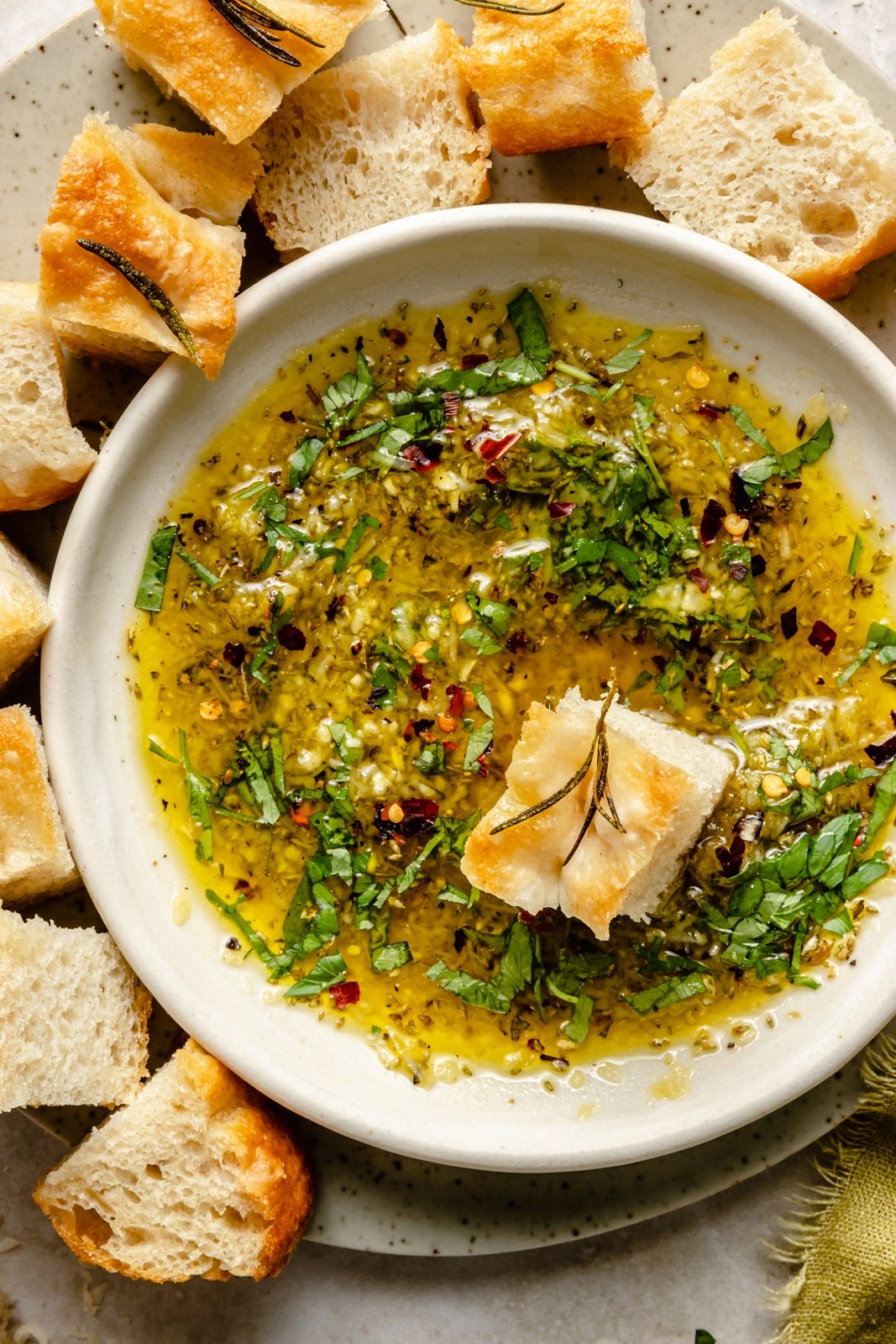
Incorporating herbs and spices alongside olive oil can also enhance the overall flavor experience. A drizzle of rosemary-infused olive oil can add depth to grilled lamb, while chili-infused oil can lend a delightful kick to traditional mezes. This adaptability allows for endless creative possibilities in crafting olive oil dishes that are both pleasing to the palate and true to Turkish culinary traditions.
Pairing Turkish Olive Oil with Food and Wine
Complementary Flavors and Ingredients
When it comes to pairing olive oil dishes, understanding the intrinsic qualities of Turkish olive oil is essential. This rich, aromatic oil boasts a variety of flavors, ranging from grassy and fruity to peppery and spicy. The key to a successful pairing lies in selecting complementary ingredients that enhance the oil’s unique character. For example, dishes that feature fresh vegetables, such as tomatoes, cucumbers, and bell peppers, when drizzled with high-quality Turkish olive oil, elevate the freshness of the produce while adding depth and complexity.
Additionally, protein-rich dishes, like grilled lamb or seafood, paired with olive oil can create a harmonizing flavor profile. The oil’s natural bitterness can beautifully contrast the sweetness of roasted vegetables, while its earthiness works well with legumes like lentils and chickpeas. Overall, incorporating seasonal and local ingredients not only matches the oil’s distinctive taste but also reflects the essence of Turkish cuisine.
Choosing the Right Wines for Olive Oil Dishes
Selecting wines that complement olive oil dishes requires a thoughtful approach, particularly in the context of Turkish cuisine. A light and crisp white wine, such as Sauvignon Blanc or a local Turkish variety like Emir, can enhance the bright notes in vegetable-focused plates and seafood drizzled with olive oil. On the other hand, red wines like Pinot Noir or Turkish grapes such as Kalecik Karası work well with richer flavors, particularly when paired with meat dishes where olive oil is a key element.
For those who enjoy a little experimentation, consider tasting Turkish olive oil with dry rosé wine; this pairing provides an exciting contrast to the oil’s texture and flavor. The interplay between the acidity of the wine and the oil’s creaminess can result in a delightful tasting experience.
Cultural Significance of Food Pairing in Turkey
In Turkish culture, food pairing is more than just culinary practice; it embodies a communal spirit and a deep appreciation for flavors and aromas. Meals are often seen as an opportunity to bring family and friends together, where olive oil plays a pivotal role in traditional fare. The act of sharing a meal garnished with high-quality Turkish olive oil showcases hospitality and generosity. In fact, many families incorporate regional wines that have been enjoyed for generations, enhancing the dining experience as they build memories over shared meals.
Moreover, meals are often accompanied by spirited discussions about flavor pairing, presenting an opportunity to share knowledge about both regional dishes and local wines. This cultural significance emphasizes the beautiful relationship between olive oil dishes, their ingredients, and the wines that elevate them, reflecting a rich legacy of culinary arts in Turkey that continues to thrive today.