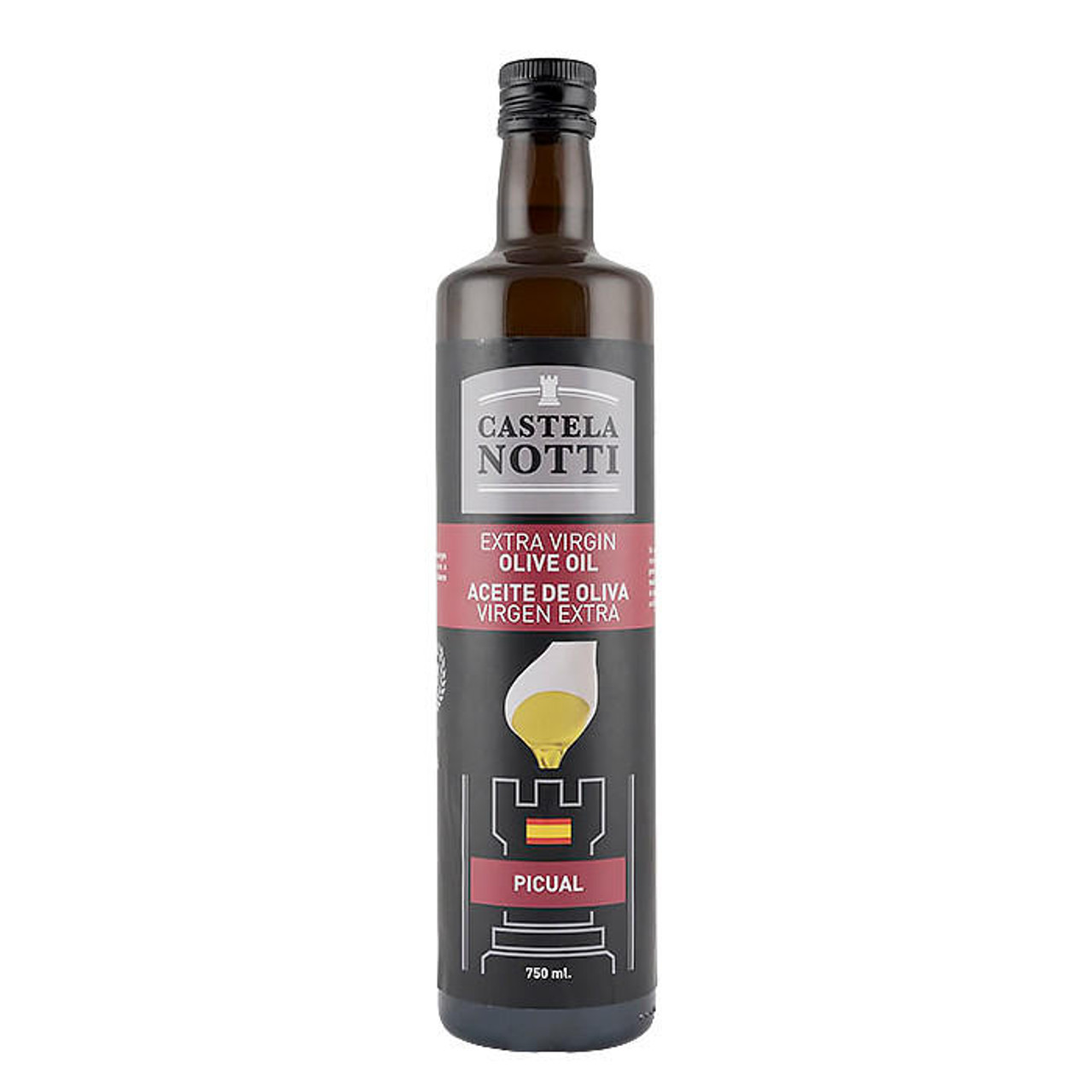
Discover the rich flavors and numerous benefits of picual oil, a prominent variety of olive oil renowned for its exceptional quality. As one of the most widely cultivated and beloved types, it plays a vital role in both health and culinary applications. Whether you are a seasoned chef or someone interested in enhancing your diet, understanding what makes picual oil unique will help you make informed choices. In this post, we explore what picual oil is, its impressive health advantages, versatile culinary uses, and tips for selecting and storing this precious gift from nature.
What Is Picual Olive Oil?
Picual olive oil is a distinguished variety of extra virgin olive oil renowned for its robust flavor profile, high stability, and numerous health benefits. Derived from the Picual olive, this oil is predominantly produced in Spain, especially in the Andalusian region, which is famous for its centuries-old olive groves. Its popularity extends globally, appreciated by chefs and health enthusiasts alike for its unique qualities.
Origin and History of Picual Olives
The Picual olive variety has ancient roots, dating back to the Roman Empire, where it was cultivated extensively due to its resilience and productivity. Its name is believed to originate from the Spanish word “pico,” meaning “peak” or “point,” referencing the olive’s pointed shape. Historically, the Picual olive has been prized not only for producing high yields but also for its adaptability to various climatic conditions, making it a staple in Spanish olive cultivation. These olives thrived in the rugged terrains of southern Spain, where farmers valued their drought resistance and disease resilience. Over centuries, the Picual variety became synonymous with high-quality olive oil, establishing a reputation for both its flavor and durability.
Unique Characteristics of Picual Oil
What truly sets picual oil apart are its distinctive sensory and chemical characteristics. It boasts a deep green color, often with golden hues, signaling its freshness and high antioxidant content. Its aroma features pronounced grassy, fruity, and nutty notes with subtle hints of tomato and herbs. When tasted, it provides a well-balanced bitterness and pepperiness, which contribute to its vibrant flavor profile.
This oil also contains high levels of polyphenols and oleic acid, granting it exceptional stability against oxidation. As a result, picual oil has a longer shelf life compared to softer-flavored oils, making it ideal for both culinary uses and health-conscious consumers. Its intensity and richness make it especially suitable for drizzling over salads, grilled vegetables, or even as a dipping oil. In essence, Picual olive oil fuses tradition with healthful properties, making it a versatile choice for diverse culinary and wellness applications.
Health Benefits of Picual Oil
Antioxidant Properties and Nutritional Value
Picual olive oil is renowned for its exceptional antioxidant content, which plays a significant role in promoting overall health. Rich in polyphenols, particularly hydroxytyrosol and oleuropein, this oil offers potent anti-inflammatory and disease-fighting properties. These natural compounds help neutralize harmful free radicals in the body, thereby reducing oxidative stress that can lead to chronic diseases such as cancer, diabetes, and neurodegenerative disorders.
Moreover, picual oil is a excellent source of monounsaturated fatty acids, primarily oleic acid. This healthy fat supports cell structure and function while also contributing to improved lipid profiles. Its high antioxidant levels not only aid in protecting cells but also benefit the immune system. Nutritionally, it provides essential vitamins like E, which further enhances its capacity to combat oxidative damage, and K, supporting bone health and blood clotting.
How Picual Oil Supports Heart Health
One of the most celebrated health benefits of picual oil is its ability to support cardiovascular health. Numerous scientific studies have linked the consumption of monounsaturated fats to decreased LDL cholesterol (the “bad” cholesterol) and increased HDL cholesterol (the “good” cholesterol). These effects help prevent arterial plaque buildup, thereby reducing the risk of heart attacks and strokes.
Additionally, the anti-inflammatory components found in picual oil can help mitigate chronic inflammation—a key contributor to heart disease. Regular intake of this olive oil has been shown to improve endothelial function, which is essential for maintaining blood vessel flexibility and preventing hypertension. The presence of polyphenols also enhances blood circulation and prevents blood clots, further protecting the heart.
Incorporating picual oil into a balanced diet, along with other heart-healthy lifestyle choices, can significantly reduce cardiovascular risk factors. Its combination of rich antioxidants and healthy fats makes it a valuable addition not only for flavor but also for long-term health benefits.
Culinary Uses of Picual Olive Oil
Cooking and Drizzling Tips
Picual olive oil is renowned for its robust flavor and high antioxidant content, making it a versatile ingredient in the kitchen. When using it for cooking, it’s essential to consider its distinct characteristics—its slightly bitter and peppery notes enhance a variety of dishes. For sautéing and roasting, it’s best to use this oil at moderate temperatures, as its stability allows it to withstand heat without losing flavor or nutritional value. Because of its high polyphenol content, picual oil provides excellent health benefits even after cooking, adding depth to your dishes.
For raw applications, drizzling picual olive oil over salads, grilled vegetables, or fresh bread transforms simple ingredients into flavorful delights. When adding it as a finishing touch, do so just before serving to preserve its vibrant aroma and taste. Use a high-quality spout or pourer to evenly distribute the oil, enhancing the presentation and flavor.
Pairing Picual Oil with Foods
The bold, earthy profile of picual olive oil pairs exceptionally well with hearty ingredients. It complements robust vegetables like eggplant, zucchini, and tomatoes, making it ideal for drizzling over grilled or roasted dishes. Its flavor also marries perfectly with rich cheeses, such as manchego or pecorino, elevating their profiles when served together.
Additionally, picual oil works beautifully with lean meats, including chicken and fish, especially when used as a marinade or finishing oil. Its intense flavor cuts through the richness of the meat, providing a balanced taste experience. For bread lovers, dipping warm crusty baguette slices into a bowl of picual olive oil sprinkled with herbs offers a simple yet sophisticated appetizer.
In summary, whether used in cooking or as a finishing touch, picual olive oil adds depth, aroma, and health benefits to your culinary creations. Its versatility makes it a must-have in any kitchen seeking to elevate everyday dishes with authentic Mediterranean flair.
How to Choose and Store Picual Olive Oil
Tips for Selecting High-Quality Picual Oil
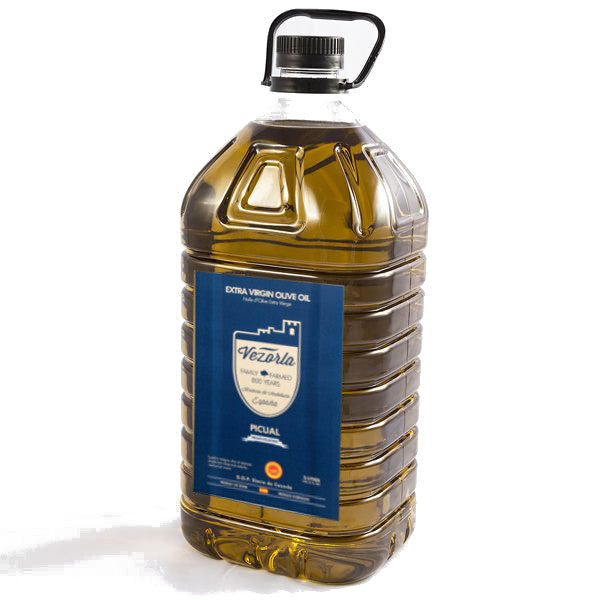
When selecting picual oil, it is essential to focus on quality indicators that guarantee freshness and optimal flavor. First, pay attention to the packaging; high-quality olive oil is typically stored in dark glass bottles or tins, which protect the oil from light and prevent oxidation. Light exposure accelerates spoilage and compromises the oil’s delicate aroma and taste.
Next, consider the harvest date printed on the bottle. Freshness is critical, especially for extra virgin varieties, which tend to retain their nutritional benefits and vibrant flavors for about 18 to 24 months from harvesting. Always choose bottles with clearly marked dates, and prioritize purchasing within a year of the harvest date.
Furthermore, examine the label for certifications such as “Extra Virgin,” which indicates the oil has undergone rigorous testing and adheres to high standards. If available, look for provenance details—picual oil from designated regions or cooperative producers often assures authenticity and quality. Lastly, inspect the oil’s color; while it varies from vivid green to golden yellow, an overwhelming cloudiness or sediment may suggest improper storage or lower quality.
Proper Storage to Maintain Freshness and Flavor
To preserve the vibrant taste and health benefits of picual oil, appropriate storage practices are crucial. Store the oil in a cool, dark place—preferably between 57°F to 60°F (14°C to 16°C)—away from heat sources such as stovetops or direct sunlight. Heat accelerates oxidation, diminishing flavor and nutritional value over time.
Opt for airtight containers that minimize exposure to air, which can cause the oil to go rancid. Always reseal the bottle tightly after use. If possible, transfer the oil into smaller bottles as you approach the end of its shelf life to reduce exposure to air.
Moreover, avoid storing olive oil near strong-smelling foods or in areas with fluctuating temperatures, such as near windows or humid kitchens. Proper storage extends the life of picual oil, allowing you to enjoy its rich, earthy profile while maximizing health benefits. Lastly, if you have a large quantity, consider refrigerating the oil, which can prolong freshness; however, note that refrigeration may cause the oil to solidify temporarily. Simply bring it to room temperature before using to restore its liquid consistency.