Olive oil soap is more than just a cleansing product; it embodies a rich history of natural skin care that dates back centuries. Derived from the renowned olive tree, this luxurious soap not only offers a gentle wash but also provides a plethora of skin benefits, making it a favorite among skincare enthusiasts. As we explore how olive oil soap is made, we will uncover the remarkable properties that set it apart from conventional options. Furthermore, you’ll learn how to choose the right olive oil soap for your unique skin needs, ensuring you reap the maximum benefits of this incredible natural ingredient. Prepare to dive into the nourishing world of olive oil soap and discover why it’s an essential addition to any skincare routine.
What is Olive Oil Soap?
Definition and Composition
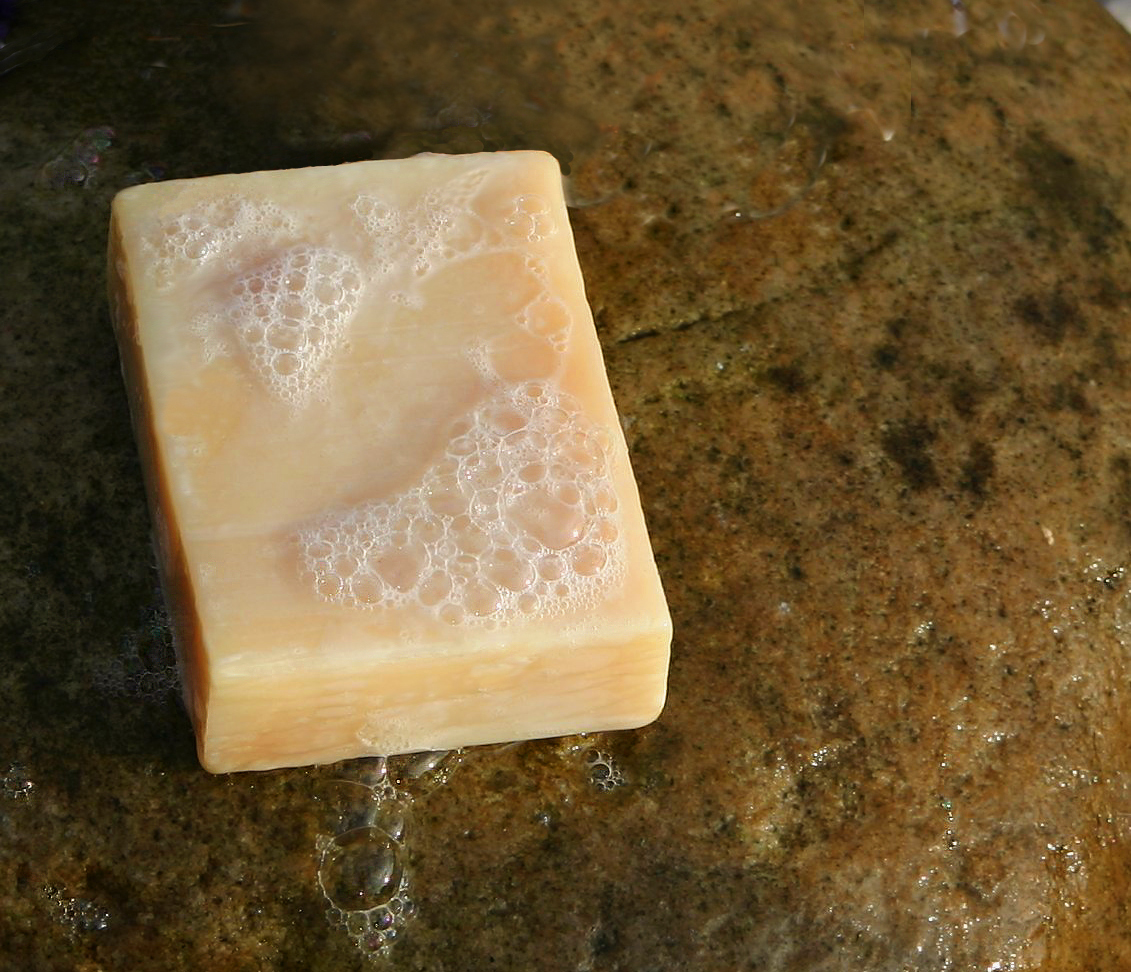
Olive oil soap is a luxurious and natural cleansing product made primarily from olive oil, which gives it its signature creamy texture and moisturizing properties. Typically, this soap is crafted through a saponification process, where oils and lye interact chemically to create a solid form. The primary ingredients usually include extra virgin olive oil, water, and sodium hydroxide. By using high-quality olive oil, artisans produce a soap that is not only gentle on the skin but also rich in antioxidants, vitamins, and fatty acids.
History of Olive Oil Soap
The origins of olive oil soap trace back to ancient civilizations, particularly in the Mediterranean region. Evidence suggests that the first uses of this natural soap formulation were by the Egyptians and Phoenicians around 4000 B.C. Over centuries, the art of soap-making evolved, but the reliance on olive oil as a key ingredient remained constant, particularly in countries such as Greece and Italy. Traditionally, it has been valued not only for its cleansing properties but also for its contribution to healthy skin, bonding the soap-making process with cultural identities across generations.
Benefits of Using Olive Oil Soap
The unique formulation of olive oil soap offers a myriad of benefits for the skin. Its high oleic acid content helps maintain skin moisture, making it ideal for dry or sensitive skin types. In addition, olive oil is rich in vitamins E and K, which support skin health and can potentially minimize signs of aging. The presence of natural antioxidants aids in protecting the skin from environmental damage. Importantly, olive oil soap is often free from synthetic ingredients and harsh chemicals, providing a gentle alternative to conventional soaps. This blend of nourishing ingredients not only cleanses the skin effectively but also enhances its overall appearance, leaving it soft, supple, and radiant.
How Olive Oil Soap is Made
Creating olive oil soap is an art that intertwines tradition with chemistry. Understanding the methods involved can demystify the process and enable enthusiasts to appreciate the craftsmanship. Here, we will explore the various techniques, ingredients, and steps involved in making this natural and nourishing soap.
Cold Process Method
The cold process method is a widely cherished technique for crafting olive oil soap. It involves combining olive oil with water and lye (sodium hydroxide) at a controlled temperature. The lye reacts chemically with the fats in olive oil, initiating saponification, which transforms the mixture into soap. This method typically preserves more of the natural properties of the oils, resulting in a delicate and luxurious bar. After mixing, the batter is poured into molds, where it is left to cure for four to six weeks. This long curing period not only solidifies the soap but also allows for the development of its unique scent and color.
Hot Process Method
In contrast, the hot process method accelerates the saponification process by applying heat, either through a stovetop or slow cooker. This approach shortens the curing time, allowing the soap to be used in as little as one week. While the heat can alter some of the natural properties of the olive oil, it offers a practical solution for those eager to indulge in their homemade soap sooner. The hot process can also create a rustic appearance, as it often involves pouring the soap into molds while still in its hot state.
Ingredients Used in Olive Oil Soap
The ingredients in olive oil soap largely determine its quality and attributes. The primary component is, of course, high-quality olive oil, which is rich in antioxidants and vitamins, providing numerous skin benefits. Additional ingredients may include essential oils for fragrance, natural colorants such as clays or herbs, and other oils like coconut or palm oil to enhance lathering and hardness. Adhering to high standards for these ingredients not only enriches the soap’s properties but also ensures that the end product remains gentle and skin-friendly.
By understanding these methods and ingredients, anyone can appreciate the rich process behind olive oil soap and its benefits for skincare.
Benefits of Olive Oil Soap for Skin
Moisturizing Properties
One of the standout benefits of olive oil soap lies in its incredible moisturizing properties. Enriched with vitamin E and oleic acid, olive oil acts as a natural emollient, effectively sealing in moisture while preventing skin from drying out. By incorporating it into your daily skincare routine, you can maintain skin hydration, which is essential for a healthy and glowing complexion. Unlike many commercial soaps that may strip natural oils, olive oil soap ensures that your skin feels soft and nourished after each wash.
Anti-Aging Effects
Another compelling reason to choose olive oil soap is its anti-aging effects. The antioxidants found in olive oil, such as oleuropein and squalene, help combat environmental stressors that contribute to premature skin aging. Regular use of this soap can assist in reducing the appearance of fine lines and wrinkles, leaving your skin looking youthful and vibrant. Additionally, these antioxidants promote collagen production, which is crucial for maintaining skin elasticity. So, not only does olive oil soap cleanse the skin, but it also helps in preserving its natural beauty over time.
Suitable for Sensitive Skin
For those with sensitive skin, finding the right skincare products can be a daunting task. Fortunately, olive oil soap is renowned for its gentleness on the skin. Its hypoallergenic properties minimize the risk of irritation, making it suitable for individuals prone to allergies or skin conditions like eczema and psoriasis. Since it is free from harsh chemicals and synthetic fragrances, this natural soap calms inflammation and soothes discomfort, providing a safe and effective cleansing option. Choosing olive oil soap means you can enjoy a luxurious lather without the fear of adverse reactions, ensuring your skin remains healthy and happy.
Choosing the Right Olive Oil Soap
Factors to Consider
When selecting olive oil soap, various factors come into play. First and foremost, consider the quality of the olive oil used in the formulation. Look for products that specify extra virgin olive oil, as this type retains more nutrients and antioxidants. Next, consider the ingredients list. Opt for soaps that contain minimal synthetic additives or fragrances, which can irritate the skin. The texture is another important aspect; some soaps provide a creamy lather, while others might be more abrasive. Lastly, consider any specific skin concerns you might have, such as dryness or sensitivity.
Reading Labels Effectively
Being able to read labels effectively can significantly enhance your shopping experience for olive oil soap. The ingredients list typically follows a descending order, meaning the first few items are the most abundant. Look for natural preservatives, such as vitamin E, while avoiding harsh chemicals like sodium lauryl sulfate. Certifications are also crucial; labels indicating “organic” or “certified cruelty-free” provide additional reassurance regarding product quality and ethical sourcing. Furthermore, many brands indicate whether their soaps are suitable for sensitive skin, which can be beneficial if you have allergies or irritations.
Top Brands to Try
Several brands stand out in the realm of olive oil soap. One of the most renowned is Castile, which offers a variety of soaps made primarily with olive oil. Their products are known for their rich texture and natural ingredients. Alternatively, the Kahina Giving Beauty line features luxurious options with added fragrances derived from essential oils, perfect for elevating your bathing experience. Finally, if you’re looking for sustainability, Olive Oil Soap Co. champions eco-friendly practices and sustainable sourcing in their production. Trying different brands can help you find the perfect match for your skin’s needs.