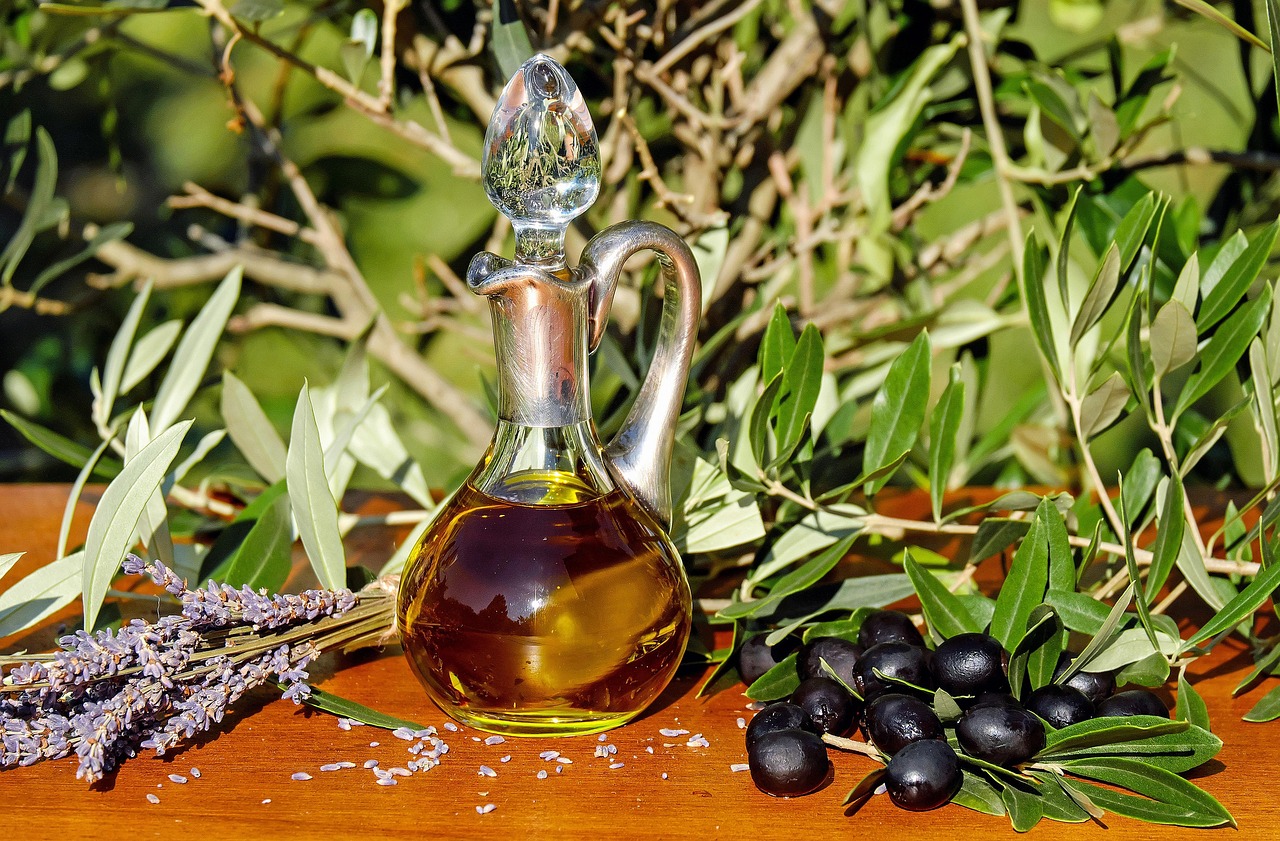
Nestled in the sunny heart of Italy’s heel, Puglia is renowned for producing some of the finest olive oils in the world. This region’s rich heritage, deeply rooted in centuries-old tradition, has cultivated a unique and flavorful variety that continues to captivate connoisseurs worldwide. From the meticulous cultivation of olive groves to the careful extraction methods, each step in the production process contributes to the distinct character of olive oil Puglia. Moreover, regional differences and the influence of local experts have helped shape the reputation of prominent brands, making Puglia a true destination for excellence in olive oil. Whether you are a culinary enthusiast or simply eager to explore the taste of authentic Italian olive oil, understanding Puglia’s production and regional distinctions offers valuable insight into this treasured Mediterranean staple.
The Rich Heritage of Puglia’s Olive Oils
Historical background of Olive Oil in Puglia
Puglia’s olive oil heritage stretches back thousands of years, making it one of Italy’s most ancient and revered olive-growing regions. Archaeological evidence suggests that olive cultivation in this area dates to pre-Roman times, with the olive trees flourishing along the coast and inland valleys. Over centuries, olive oil became a fundamental element of local culture, economy, and cuisine, symbolizing the region’s fertile land and deep-rooted traditions. Historically, Puglia’s strategic location allowed it to develop a vibrant trade network, distributing its renowned oils across Italy and beyond. The legacy of this long-standing tradition is still visible today, as many local families continue to pass down centuries-old techniques of cultivation and extraction, preserving the authenticity and quality that have made Puglia’s olive oils globally famous.
Traditional methods of olive oil production
Despite modern advancements, many producers in Puglia still honor traditional methods rooted in centuries-old practices. Harvesting typically occurs from late October to December, when olives reach peak ripeness. Handpicking is common, ensuring that only the best-quality olives are selected—an approach that contributes to the richness of the final product. Once harvested, the olives are carefully pressed using cold-press techniques or stone mills, which help retain the oil’s delicate flavors and nutrients. During extraction, temperature control is crucial, and traditional methods emphasize minimal processing to preserve the oil’s authentic characteristics. These time-honored techniques reflect the region’s dedication to high-quality, artisanal production and contribute significantly to the unique flavor profile and reputation of Olive oil Puglia. This combination of history and craftsmanship creates oils that are not only flavorful but also richly embedded in the region’s cultural identity.
Characteristics of Olive Oil from Puglia
Distinct flavors and aromas
The olive oil from Puglia is renowned for its vibrant and complex flavor profile, which sets it apart from oils produced in other regions. Typically, it boasts a balanced bitterness and spiciness, making it a versatile addition to various dishes. On the nose, Pugliese olive oils often feature a fresh, fruity aroma with hints of green apple, artichoke, or almond. The sensory experience captures the essence of the region’s sun-drenched landscapes and fertile soils. When tasting, you’ll notice a full-bodied richness combined with a harmonious harmony of flavors, making it suitable for both raw applications—such as drizzling over salads and vegetables—and cooking purposes. These characteristics are a direct reflection of the region’s unique climate and traditional cultivation methods, which contribute to the exceptional quality and distinctive personality of Olive oil Puglia.
Types of olives used in Puglia
Puglia’s rich olive heritage is rooted in its diverse variety of olives, each contributing unique flavors and qualities to the oil. The most prominent cultivar is the Ogliarola, known for producing a mild, fruity oil that is highly prized locally. Other notable varieties include Leccino, which yields a slightly more delicate oil with subtle floral notes, and Cellina di Nardò, recognized for its robust and full-bodied profile. These olive varieties are often blended to achieve a well-rounded and complex taste, reflecting the region’s traditional blending techniques. Additionally, the high-quality extra virgin olive oils from Puglia often benefit from specific harvesting and pressing methods that preserve the inherent characteristics of these olives. As a result, the oils carry a distinct regional signature—intensely flavorful, aromatic, and reflective of Puglia’s exceptional terroir.
The Production Process of Olive Oil in Puglia
Cultivation and harvesting techniques
In Puglia, the production of high-quality olive oil begins with meticulous cultivation and harvesting practices. Olive groves are typically maintained with traditional methods that prioritize the health of the trees and the quality of the fruit. Olive trees are often cultivated manually, ensuring careful pruning to optimize fruit yield and tree longevity. Harvesting usually takes place from late October to early December, depending on the region and variety. Skilled farmers choose to harvest olives at the perfect ripeness—often while still green or just beginning to turn black—to preserve essential oils and flavors. The olives are collected by hand or with small mechanical shakers, reducing damage and preserving their integrity. This attention to detail ensures that the olives arrive at the mill in optimal condition, which is crucial for the production of authentic olive oil Puglia.
Extraction methods and quality control
Once harvested, the olives are immediately taken to nearby mills where the extraction process begins. In Puglia, traditional cold-pressing methods are still widely used to maintain the oil’s natural qualities. The olives are cleaned and crushed into a paste, then processed through hydraulic presses or modern continuous centrifugation systems. These techniques help to extract oil efficiently while safeguarding its delicate aroma, flavor, and nutritional properties. Throughout the extraction, strict quality control measures are implemented—such as temperature regulation and sensory assessments—to ensure only the best oil makes it to consumers. This rigorous process, combined with Puglia’s favorable climate and soil conditions, results in an olive oil that is both aromatic and rich in beneficial compounds, truly embodying the essence of regional tradition and excellence.
Regional Variations and Prominent Olive Oil Brands in Puglia
Different regions within Puglia and their unique oils
Puglia’s diverse landscape gives rise to distinct olive oil profiles across its various regions. For example, the Valle d’Itria is renowned for producing oil with a delicate, fruity flavor complemented by subtle herbal notes. In contrast, the coastal areas like Salento yield oils that are often more robust and peppery, reflecting the Mediterranean climate’s influence. The Murgia Plateau, characterized by limestone-rich soil, typically produces olive oils with a slightly bitter finish and a deeper aroma, ideal for drizzling over hearty dishes. Each region’s unique microclimate, soil composition, and olive tree varieties contribute significantly to these flavor profiles, making Puglia a truly diverse olfactory landscape for olive oil connoisseurs.
Leading brands and their reputation
Several prominent brands in Puglia have earned international acclaim thanks to their commitment to quality and tradition. Frantoio Muraglia is celebrated for its beautifully packaged extra virgin olive oils, emphasizing both flavor and presentation. Kowats is recognized for its sustainable practices and innovative approach to traditional extraction methods, ensuring fresh and vibrant oils. Meanwhile, Giorgio Tadi is known for its artisanal approach, producing small batches that highlight regional nuances. These brands have helped elevate Olive oil Puglia onto the global stage, drawing attention to the region’s rich heritage and dedication to quality. Their consistent excellence has earned awards and loyal customers worldwide, establishing Puglia as a key player in the premium olive oil market.
Frequently Asked Questions
What makes Puglia olive oil unique compared to other regions?
Puglia olive oil is renowned for its high quality and unique flavor profile, which are largely influenced by the region’s distinct climate, soil, and traditional cultivation methods. The area’s abundant sunlight and Mediterranean climate contribute to olives that develop a rich, fruity aroma and a robust taste. Additionally, Puglia’s centuries-old techniques of harvesting and pressing olives ensure the production of extra virgin olive oil that is both pure and flavorful.
How should I use olive oil from Puglia in my cooking?
Olive oil from Puglia is incredibly versatile and can enhance both raw and cooked dishes. Its fruity and slightly peppery notes make it ideal for drizzling over salads, vegetables, or grilled meats to add a burst of flavor. It can also be used for dipping bread or drizzling over cheeses. For cooking, Puglia olive oil is excellent for sautéing, roasting, and even baking, as it maintains its rich flavor and health benefits at various temperatures, making it a staple in Mediterranean cuisine.
What health benefits are associated with consuming Puglia olive oil?
Puglia olive oil is rich in monounsaturated fats, antioxidants, and healthy polyphenols, which contribute to its numerous health benefits. Regular consumption can help reduce bad cholesterol levels, improve heart health, and lower inflammation in the body. Additionally, its antioxidant properties may help protect cells from oxidative stress and support overall well-being. Due to its high-quality and purity, Puglia olive oil is considered a nutritious addition to a balanced diet, promoting long-term health.