
Discover the vibrant world of moroccan olive oil, a culinary gem revered not only for its rich flavor but also for its remarkable health benefits. With roots tracing back to ancient times, this liquid gold has played a pivotal role in Moroccan culture and cuisine. As we delve into its rich history, we will explore the myriad benefits of incorporating this oil into your diet, along with practical tips on how to use it effectively. Furthermore, we will guide you on how to choose authentic Moroccan olive oil, ensuring you bring home the true essence of Moroccan tradition. Join us on this flavorful journey and unlock the secrets of this exceptional ingredient!
The Rich History of Moroccan Olive Oil
Cultural Significance in Moroccan Cuisine
Dating back thousands of years, the olive tree has held a revered place in Moroccan culture, symbolizing peace, prosperity, and nourishment. The traditional fatty fruit of this tree has seamlessly woven itself into the fabric of Moroccan cuisine, where it plays a pivotal role in many dishes. It is more than just an ingredient; it is an essential component that enhances flavors in tagines, salads, and bread, creating a rich tapestry of taste that reflects the country’s diverse culinary influences. The culinary practices involving the oil are both steeped in tradition and deeply valued by the Moroccan people. Whether used for frying or as a dressing, it contributes to the vibrant palettes of Moroccan meals, making it an integral part of family gatherings and celebrations.
Traditional Olive Oil Production Methods
The art of producing this liquid gold has been passed down through generations, rooted in methods that prioritize quality and sustainability. The traditional harvesting process often involves hand-picking the olives during the optimal ripening period, ensuring the best flavor and nutritional value are preserved. Once harvested, the olives are cold-pressed using stone mills, a technique that has been refined but not massively changed over time. This method not only retains the oil’s authentic flavor but also safeguards its natural health benefits, resulting in a superior product. The careful attention to detail in each step of the process reflects the respect for nature and heritage, which defines the Moroccan approach to olive oil production. Today, the tradition continues alongside modern techniques, bringing a unique blend of history and innovation to the table.
Health Benefits of Moroccan Olive Oil
Nutritional Profile and Antioxidants
The allure of bold olive oils lies in their impressive nutritional profile. This oil is rich in monounsaturated fats, which are known to contribute positively to overall health. With a high concentration of oleic acid, it promotes healthy cholesterol levels and supports heart health. Furthermore, this oil is a powerhouse of antioxidants, including vitamin E and polyphenols, which are essential for combating oxidative stress in the body. These antioxidants help neutralize free radicals, reducing the risk of chronic diseases and inflammation while promoting skin health and longevity. Consequently, incorporating it into your daily diet is a simple yet effective step toward enhancing your overall well-being.
Heart Health and Anti-Inflammatory Properties
Numerous studies indicate that the consumption of olive oil is linked to a reduced risk of heart disease. Its rich omega-3 and omega-6 fatty acid content lowers blood pressure and improves endothelial function. Additionally, the antioxidants found in this oil exhibit potent anti-inflammatory effects, making it beneficial for those suffering from conditions like arthritis. This natural remedy alleviates inflammation in the body and may even help to protect against cancer. Furthermore, regular consumption can enhance circulation, ensuring that vital nutrients reach all body areas efficiently. Embracing this oil in a balanced diet can serve as an excellent safeguard for heart health while providing flavorful diversity to your meals.
How to Use Moroccan Olive Oil
Culinary Uses and Recipes
Incorporating moroccan olive oil into your daily cooking can transform not only the flavors of your dishes but also enhance their health benefits. This versatile ingredient can be used in a variety of culinary applications. For starters, it serves as an excellent base for salad dressings. Simply whisk together a generous amount of this oil with lemon juice, balsamic vinegar, or your choice of vinegar, and season with salt, pepper, and herbs for a refreshing vinaigrette.
Another delightful use is in marinades. Combine it with garlic, spices such as cumin and coriander, and citrus juice to marinate meats and vegetables, infusing them with robust flavors. Furthermore, drizzling it over grilled vegetables or fish can elevate these dishes, imparting a smooth and distinctive taste. If you’re looking to create a traditional Moroccan dish, consider preparing a classic tagine, where it is used extensively to coat the ingredients, enriching their flavors during the cooking process.
Pairing with Other Ingredients
When using this treasured oil, consider how it complements other ingredients in your meals. Its rich taste pairs beautifully with ingredients like fresh herbs such as cilantro and parsley. You can also combine it with spices like paprika, za’atar, or even chili flakes to create a dynamic flavor profile. For those who enjoy Mediterranean influences, think about using this oil alongside various cheeses, nuts, or olives, as they tend to bring out its fruity notes.
Moreover, for a unique flavor combination, consider pairing it with sweet elements like honey or dates. This contrast can add depth to your salads or roasted dishes. For dessert lovers, a simple dessert drizzled with this oil, such as vanilla ice cream topped with a sprinkle of sea salt, can create an exquisite treat. When coupled with the freshness of seasonal produce, this oil becomes a magical ingredient, enhancing your culinary creations in both traditional and innovative ways.
Choosing Authentic Moroccan Olive Oil
Identifying Quality Olive Oils
When selecting bold quality olive oils, it is essential to utilize your senses. First, examine the color—many authentic oils will have a rich, green hue, indicating that they are made from unripe olives. However, color alone is not a definitive marker of quality. Next, engage your sense of smell. Premium oils often feature complex aromas reminiscent of grass, herbs, or ripe fruit. A good oil should also produce a distinctive peppery, somewhat bitter flavor profile, suggesting high polyphenol content. This flavor indicates not just freshness but the presence of beneficial antioxidants.
Moreover, be cautious of oils labeled as “pure” or “light,” as these terms can be misleading. True high-quality grades like extra virgin signify that the oil has undergone minimal processing, preserving its natural flavor and nutritional benefits. Also, look for the harvest date on the bottle—fresher oil translates to better taste and potency. Finally, consider the origin. Authentic oils are often produced in regions with a long-standing tradition of olive cultivation.
Understanding Labels and Certifications
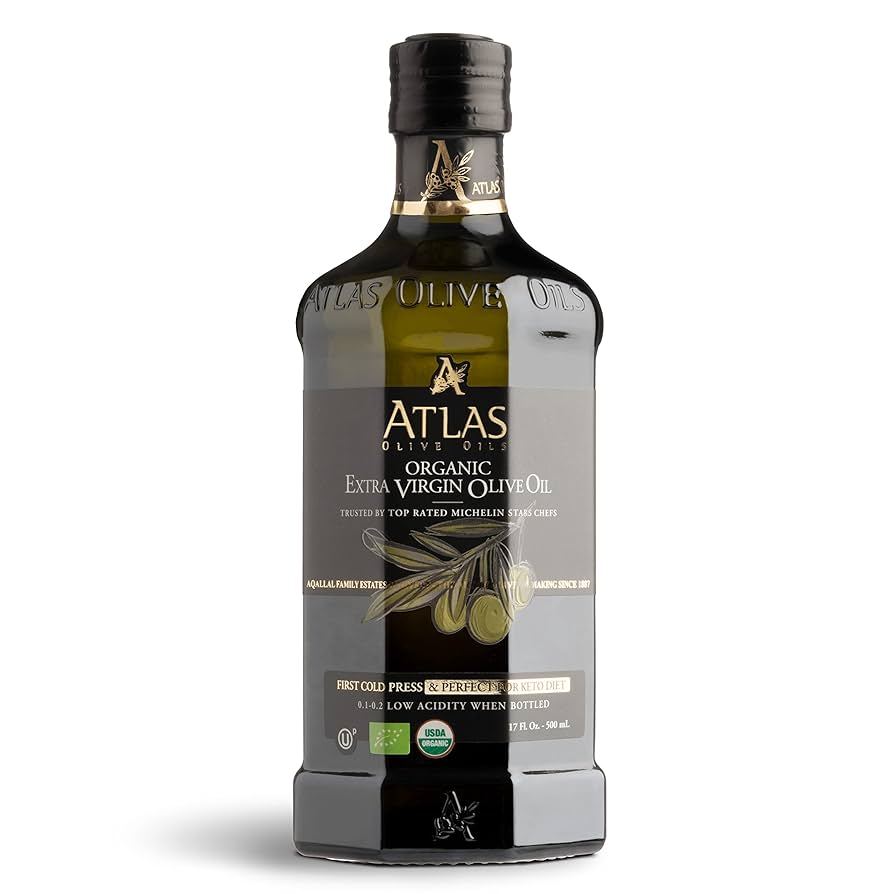
To ensure you are purchasing genuine olive oil, pay close attention to labels and certifications. Look for reputable seals such as the Protected Designation of Origin (PDO) or Protected Geographical Indication (PGI), which guarantee that the oil comes from specific regions known for superior quality production. Furthermore, third-party certifications, like those from the International Olive Council (IOC), can provide additional assurance of authenticity.
In addition to these labels, always read the ingredients list carefully. Authentic olive oil should contain only one ingredient: olives. Beware of blends that include lower-quality oils or additives, as these may dilute the flavor and health benefits. Lastly, consider sourcing your olive oil from specialty shops or trustworthy online retailers dedicated to quality products. Buying directly from producers or farmers’ markets can also provide firsthand insight into the oil’s origin and quality. By equipping yourself with knowledge about labels and what to look for, you will be well on your way to enjoying the distinct flavors and health benefits of high-quality olive oil.