Many pet owners are continually exploring healthy treat options and dietary additions for their dogs. Among these, sardines are gaining attention due to their impressive nutritional profile, especially when served in olive oil. However, before incorporating sardines into your dog’s diet, it’s essential to understand their benefits and potential risks. While sardines can be a nutritious supplement, questions often arise about whether dogs can safely eat sardines in olive oil. In this article, we will delve into the nutritional advantages, safety considerations, proper serving methods, and expert opinions to help you make informed decisions for your canine companions.
Understanding the Nutritional Benefits of Sardines for Dogs
What Nutrients Do Sardines Provide for Dogs?
Sardines are a powerhouse of essential nutrients that can significantly benefit a dog’s health when incorporated properly into their diet. They are rich in high-quality protein, which is crucial for muscle development, tissue repair, and overall growth. Additionally, sardines contain vital omega-3 fatty acids, notably EPA and DHA, which support brain function, reduce inflammation, and promote a healthy coat and skin. These small fish also provide a good source of calcium, especially when served with bones intact, contributing to strong teeth and bones.
Beyond macronutrients, sardines are packed with vitamins such as Vitamin D, which aids calcium absorption, and B vitamins that play a role in energy metabolism. Mineral content includes phosphorus, magnesium, and selenium—all vital for maintaining various bodily functions. Moreover, sardines are relatively low in mercury compared to larger fish, making them a safer seafood choice for frequent consumption.
How Sardines in Olive Oil Can Enhance Your Dog’s Diet
When served in olive oil, sardines can offer additional health benefits due to the healthy monounsaturated fats present in olive oil. This type of fat not only improves the flavor and palatability but also contributes to better cardiovascular health for your dog. Olive oil is rich in antioxidants, such as polyphenols, which can help combat oxidative stress in your pet’s body.
Including sardines in olive oil can also enhance mineral absorption thanks to the increased fat content, ensuring your dog gains maximum nutritional benefit. Furthermore, the healthy fats from olive oil can aid in maintaining a shiny coat, supporting skin health, and providing a quick source of energy. It is important, however, to serve sardines in moderation and ensure the olive oil used is pure and free from added salts or artificial preservatives.
Potential Health Benefits of Sardines for Dogs
Feeding dogs sardines can promote a variety of health outcomes. For instance, the omega-3 fatty acids in sardines are well-documented for their anti-inflammatory properties, which can help dogs with arthritis or other inflammatory conditions. The nutritional profile also supports cardiovascular health, offering protection against heart disease by reducing triglyceride levels and promoting healthy blood circulation.
Sardines can boost immune function due to their high selenium content, which supports antioxidant enzymes. Their calcium and phosphorus levels contribute to robust bone and dental health, particularly in growing puppies or senior dogs with joint issues. Moreover, some studies suggest that omega-3 fatty acids may even have a positive impact on cognitive function and alertness, especially in older dogs.
In summary, sardines offer a broad spectrum of nutrients that can enhance a dog’s overall health, provided they are given thoughtfully within a balanced diet. When prepared correctly, they serve as a nutritious supplement that encourages vitality, mobility, and a shiny coat.
Is It Safe for Dogs to Eat Sardines in Olive Oil?
Assessing the Safety of Sardines in Olive Oil for Dogs
When considering whether to include sardines in olive oil into your dog’s diet, the primary concern is safety. Sardines are a highly nutritious fish, rich in omega-3 fatty acids, protein, and essential minerals like calcium, phosphorus, and selenium. These nutrients can support your dog’s skin, coat, joint health, and overall well-being. However, the preparation method—specifically, fish preserved in olive oil—raises questions about potential health implications. Olive oil is generally safe for dogs in small quantities and can offer added health benefits, such as improved coat shine and anti-inflammatory properties. While sardines in olive oil can be a healthy addition, moderation and proper handling are key to ensuring safety.
Risks of Feeding Dogs Sardines in Olive Oil
Despite their health benefits, there are certain risks associated with dogs consuming sardines preserved in olive oil. First, olive oil is calorie-dense; overfeeding can lead to weight gain and related health issues such as obesity and pancreatitis. Moreover, some canned sardines contain added salt or preservative agents, which can be detrimental to dogs, especially those with existing health concerns like kidney disease or hypertension. Excess salt intake can cause dehydration and electrolyte imbalances, making it essential to choose low- or no-salt sardines. Additionally, the oil itself can sometimes be too rich for dogs with sensitive stomachs, leading to gastrointestinal upset, diarrhea, or pancreatitis if consumed in large quantities. Always check the ingredient list to ensure no harmful additives are present.
Guidelines for Serving Sardines to Dogs
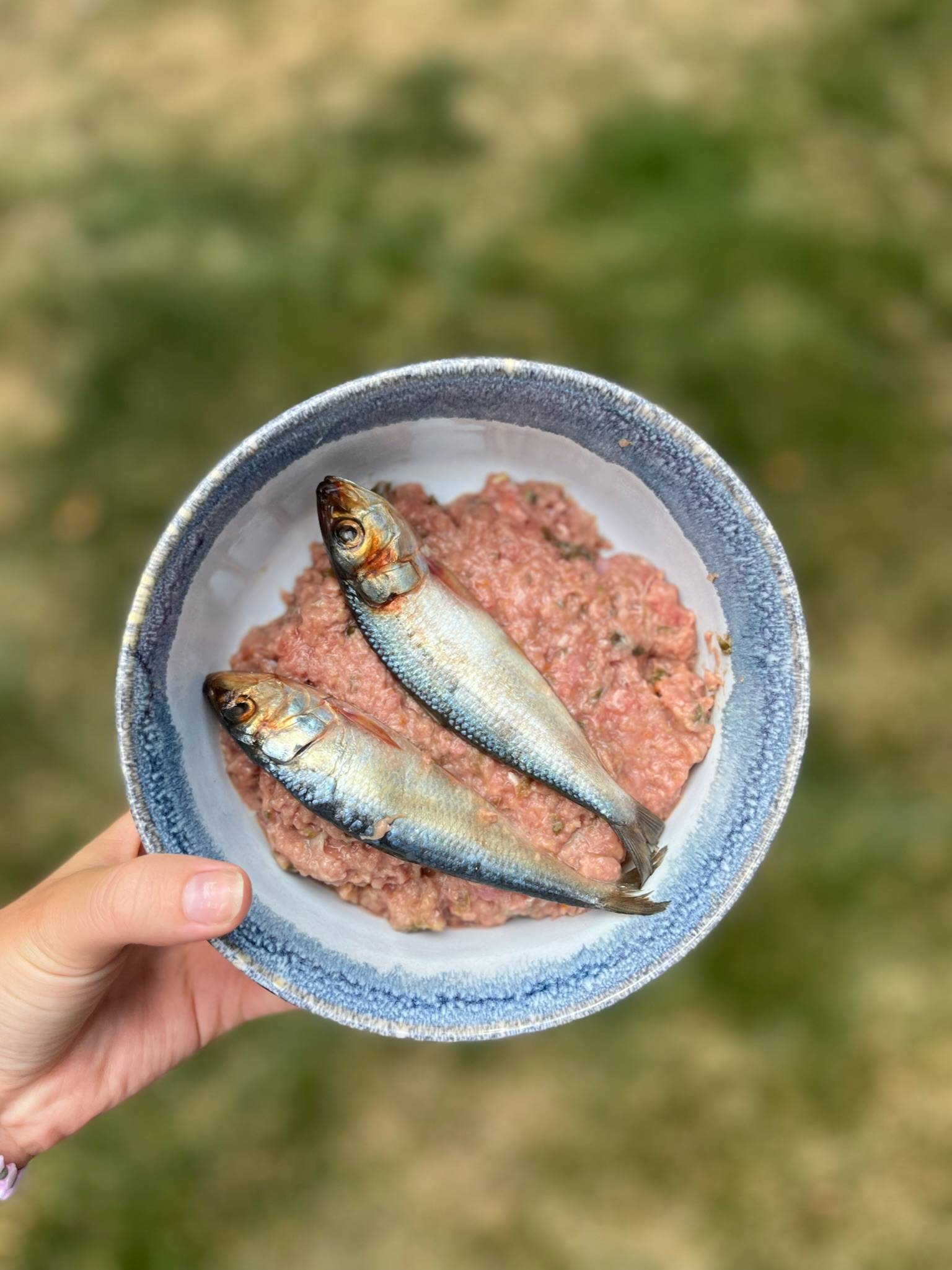
To minimize risks, it’s crucial to follow specific guidelines when offering sardines in olive oil to your dog. First, serve sardines in moderation—an occasional treat rather than a daily meal supplement. Before giving sardines in olive oil, rinse them thoroughly to remove excess oil and salt, reducing the calorie and sodium intake. Homemade portions should be served plain, without any added seasonings or spices, which can upset your dog’s digestive system. For large dogs, a small piece or a few sardines can suffice, while smaller breeds should receive even smaller amounts. Always observe your dog after their first taste to check for any adverse reactions. If your dog has underlying health conditions, consult your veterinarian to determine if sardines are suitable and safe for their specific dietary needs.
How to Properly Serve Sardines to Dogs Sardines
Preparing Sardines in Olive Oil for Dogs
When considering dogs sardines, preparation is key to ensure safety and maximize nutritional benefits. First, select high-quality sardines packed in olive oil, ideally those stored in glass jars or BPA-free cans to minimize exposure to harmful chemicals. Before serving, carefully drain the sardines to remove excess oil, which can be high in fat and calories, especially for smaller or less active dogs. For added safety, gently rinse the sardines in cold water to eliminate any residual salt or preservatives that might be present.
If your dog has a sensitive stomach or is prone to allergies, you might consider removing the skin and bones after draining, although bones in small quantities typically pose minimal risk in well-cooked sardines. You can then mash or chop the sardines into small pieces to make it easier for your dog to eat, especially for smaller breeds. Serving sardines plain without added seasonings, sauces, or spices will prevent any digestive disturbances. Incorporating sardines into your dog’s regular diet can be a healthy treat or meal enhancer when prepared properly.
Serving Sizes and Frequency for Dogs
Proper portion control is essential when offering sardines to dogs. For most dogs, a small amount — roughly one to two sardines per week — is sufficient to provide health benefits without risking weight gain or digestive upset. As a rule of thumb, dogs sardines should be given in moderation, especially considering their high omega-3 fatty acid content. Larger breeds may tolerate slightly more, but it’s best to start with a smaller serving and observe for any adverse reactions.
The frequency depends on your dog’s size, health status, and dietary needs. Consulting with your veterinarian can help tailor the serving size and frequency. For example, including sardines as an occasional treat or supplement, rather than daily, helps prevent excessive calorie intake. Remember that sardines should complement a balanced diet, not replace essential meals.
Tips to Avoid Potential Allergies or Digestive Issues
While sardines are generally safe for dogs, some pets can develop allergies or gastrointestinal discomfort after consumption. To minimize risks, always introduce sardines gradually, beginning with a small amount and monitoring your dog for signs of allergies such as itching, swelling, or gastrointestinal symptoms like vomiting or diarrhea.
Additionally, avoid giving canned sardines with added salt, spices, or sauces, as these can irritate your dog’s digestive system or lead to salt poisoning. Paying attention to ingredients and opting for plain sardines preserved in natural olive oil are safer choices. If your dog has a history of food allergies or sensitivities, it’s advisable to consult your veterinarian before including sardines in their diet. Ensuring moderation and proper preparation are the best strategies to safely enjoy the nutritional benefits of this seafood treat.
Expert Opinions and Recommendations on Dogs Sardines in Olive Oil
Veterinary Perspectives on Feeding Sardines to Dogs
Veterinarians generally acknowledge that sardines can be a nutritious addition to a dog’s diet, offering numerous health benefits such as omega-3 fatty acids, calcium, and protein. However, many professionals emphasize the importance of moderation and proper preparation. Veterinary experts often advise pet owners to choose high-quality, sustainably sourced sardines, preferably packed in water rather than oil or salted varieties, to minimize the risk of excess fat and sodium intake. When considering sardines in olive oil, most veterinarians agree that a small, controlled amount can be safe for dogs with no underlying health issues. Nonetheless, they caution pet owners to observe their dogs for any signs of gastrointestinal upset or allergic reactions, especially when introducing sardines for the first time.
Expert Advice on Moderation and Preparation
Veterinary nutritionists highlight the importance of moderation when offering sardines as a treat or supplement. *Feeding sardines in small portions—such as a few pieces once or twice a week—*can provide health benefits without overloading the dog’s system. Additionally, it is recommended to serve sardines plain, without added sauces, spices, or excessive oil. If using sardines in olive oil, draining the excess oil before serving can help reduce fat intake. Experts also suggest removing any bones if they are not already deboned, especially for smaller dogs, to prevent choking or internal injuries. Raw or lightly cooked sardines are preferable, but commercial canned sardines are convenient and safe if properly prepared.
What to Watch Out for When Choosing Sardines
When selecting sardines for your dog, experts recommend reading labels carefully. Opt for sardines that are packed sustainably, with minimal added ingredients, ideally in water or olive oil, and free from preservatives or artificial flavors. Avoid sardines with high sodium content, as excessive salt can lead to dehydration or kidney issues in dogs. Additionally, some canned sardines may contain onions, garlic, or other seasonings that are toxic to dogs; therefore, always check the ingredients list thoroughly. For optimal safety, many veterinarians suggest using plain sardines as an occasional treat rather than a regular dietary staple, ensuring your dog benefits from their nutritional advantages without unnecessary health risks.