
Turkey, renowned for its rich culinary heritage, plays a pivotal role in the world of olive oil, producing some of the finest oils that captivate the palate. In this blog post, we will explore the olive oil brands that stand out due to their exceptional quality and authentic flavors. From understanding the unique characteristics of Turkish olive oil to discovering how to incorporate it into your daily cooking, we aim to provide a comprehensive guide that enhances your appreciation for this liquid gold. Additionally, we’ll share tips on where to buy these exquisite oils, making it easier for you to enjoy the distinct tastes of Turkey right in your kitchen. Join us as we dive into the world of Turkish olive oil and unveil the top brands worthy of your attention.
Overview of Turkish Olive Oil
History and Significance
Turkish olive oil boasts a rich heritage that dates back thousands of years, making it an invaluable part of both the culinary and cultural tapestry of the region. The Aegean and Mediterranean regions of Turkey are renowned for their olive cultivation, harnessing ideal climatic conditions that produce high-quality olives. This historical significance is rooted in Turkey’s position as one of the world’s oldest olive oil producers. The art of olive oil making has been passed down through generations, showcasing traditional practices alongside modern methods. Today, it’s not just a cooking staple; it signifies hospitality, tradition, and health.
Benefits of Turkish Olive Oil
When we delve into the health benefits of Turkish olive oil, it becomes clear why it’s highly revered in Mediterranean diets. Rich in monounsaturated fats, it supports heart health by reducing bad cholesterol levels. Furthermore, it contains antioxidants, such as polyphenols, which have anti-inflammatory properties. Studies also suggest that incorporating olive oil into your diet can aid in weight management and improve digestion. Additionally, Turkish olive oil is known for its fruity flavor profile—an ideal complement to salads, marinades, and various dishes. People often choose it not only for its taste but also for its numerous healthful properties.
How to Choose Quality Olive Oil
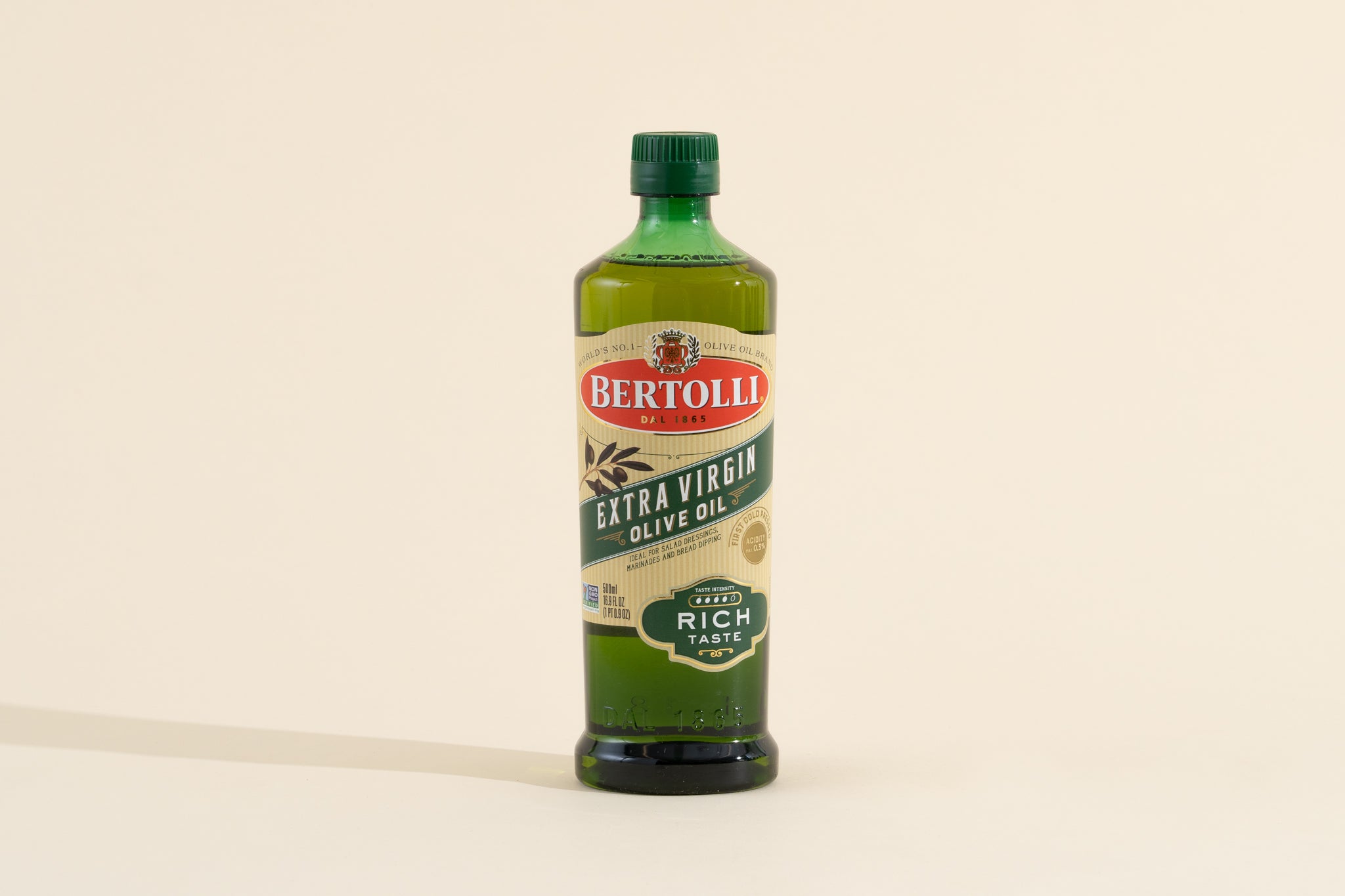
Choosing quality olive oil brands can feel overwhelming given the myriad of options available. To ensure you select the best Turkish olive oil, look for labels that indicate cold-pressed or first-press extraction methods. Such processes maintain the oil’s natural flavors and health benefits. Also, consider the harvest date on the bottle; fresher oils generally provide a better taste and higher nutrient content. When shopping, pay attention to the quality certifications, such as those from the Turkish Olive Oil Association, which attest to genuine quality. In the quest for premium Turkish olive oil, don’t miss out on tasting and comparing different varieties, as flavor can significantly vary based on the olive type and region of origin.
Top Turkish Olive Oil Brands
Brand 1: Overview and Unique Features
One of the standout producers in the Turkish olive oil market is Karma Olive Oil. Established in the heart of the Aegean region, this brand is renowned for its commitment to organic farming practices. What sets Karma apart is not just their adherence to sustainable methods but also their meticulous selection of the olives, which are harvested by hand. This approach ensures superior quality and flavor, making their products ideal for both culinary and cosmetic use. Karma’s olive oils often feature a vibrant green hue, hinting at their rich antioxidant content.
Brand 2: Awards and Recognition
Another notable name is Koc Olive Oil, which has received numerous awards internationally for its exceptional quality. The brand consistently participates in prestigious competitions, showcasing their commitment to excellence. Notably, Koc has won accolades at the New York International Olive Oil Competition and the Mediterranean International Olive Oil Competition. These awards signify not only the quality of their oils but also their dedication to producing oils that meet global standards. Such recognition establishes Koc as a trusted choice among enthusiasts and chefs alike.
Brand 3: Flavor Profile and Uses
When it comes to flavor, Dardanel Olive Oil presents a remarkable selection that captivates the palate. This brand is particularly known for its robust, fruity notes that can enhance various dishes. Dardanel’s olive oils are versatile, perfectly complementing salads, grilled meats, and even baked goods. The richness and aromatic profile make it a favorite for gourmet cooks and those seeking to elevate everyday meals. Whether used as a dressing or a finishing oil, Dardanel provides an experience that elevates dishes, bringing an authentic taste of Turkey straight to your table.
How to Use Turkish Olive Oil
Culinary Uses
Turkish olive oil is a versatile ingredient that can elevate a wide range of dishes. Its rich flavor profile, ranging from fruity to peppery, makes it an excellent choice for dressings, marinades, and finishing touches. You can drizzle it over fresh salads for added depth or incorporate it into marinades for meats and vegetables. Additionally, its robust taste complements savory dishes like hummus and baba ganoush, enhancing their natural flavors. Because of its high smoke point, Turkish olive oil is also suitable for sautéing and light frying, allowing you to retain its nutritional benefits while preparing delicious meals.
Health Benefits in Daily Diet
Incorporating Turkish olive oil into your daily diet can offer numerous health benefits. This heart-healthy oil is rich in monounsaturated fats and antioxidants, contributing to cardiovascular health and improved cholesterol levels. Studies have also shown that the Mediterranean diet, which includes ample amounts of olive oil, is associated with reduced risks of chronic diseases such as heart disease and diabetes. Furthermore, the anti-inflammatory properties found in Turkish olive oil can help combat inflammation in the body, promoting overall wellness. Using it regularly in your cooking not only enhances flavor but also nourishes your body.
Pairing Suggestions with Dishes
To fully enjoy the unique flavors of Turkish olive oil, consider pairing it thoughtfully with various dishes. For example, use it as a dipping oil alongside fresh bread, complemented by balsamic vinegar or herbs for extra seasoning. It also pairs exquisitely with grilled vegetables, seafood, and roasted meats, bringing a delightful richness to these meals. In terms of cheeses, Turkish olive oil works wonderfully with feta and aged cheddar, creating a harmonious flavor experience on cheese boards. Lastly, for a fresh burst of flavor, combine it with citrus fruits in salads or desserts, showcasing the oil’s versatility and enhancing your culinary creations.
Where to Buy Turkish Olive Oil
Online Retailers
Purchasing olive oil brands from online retailers is becoming increasingly popular due to the convenience and variety they offer. Websites like Amazon, iHerb, and specialty gourmet stores allow you to browse through numerous brands and types of Turkish olive oil without leaving your home. Often, these platforms provide customer reviews, which can help you make informed decisions based on previous buyers’ experiences. Furthermore, many online stores frequently offer discounts or bulk-buy options, ensuring you get the best value for your purchase.
Local Markets and Specialty Stores
If you prefer a more tactile shopping experience, exploring local markets and specialty food stores is an excellent option. Markets, especially those that focus on Mediterranean or Middle Eastern goods, often stock a range of olive oil brands sourced directly from Turkey. These local vendors might carry organic options, cold-pressed varieties, and artisanal blends that aren’t readily available in larger chain supermarkets. Here, you can ask for tasting samples and gain insights into the oil’s flavor profiles, making it easier to find your perfect match.
Tips for Authenticity
When shopping for Turkish olive oil, authenticity is paramount. To ensure you’re buying a genuine product, look for certifications such as the Turkish Olive Oil and Olive Council label. This certification guarantees that the oil meets specific quality standards. Additionally, pay attention to the label’s details, including the harvest date and production method. Freshness is key when it comes to olive oil; ideally, choose bottles with a harvest date within the last year. By following these tips, you can confidently select quality Turkish olive oil that enhances your culinary experiences.